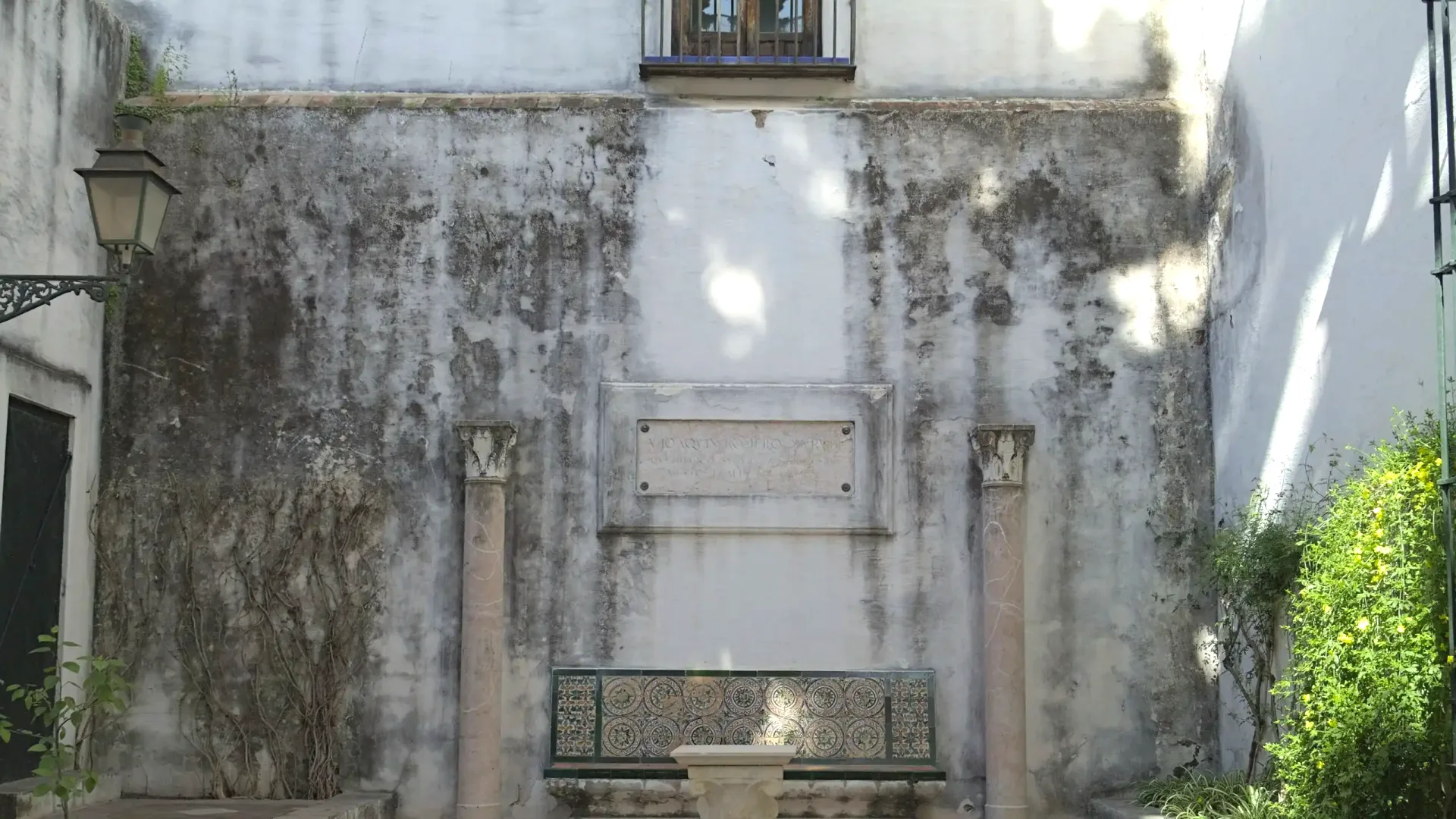
Real Alcázar vs Seville Cathedral: Which to Visit and How to Combine Both
A side-by-side comparison of the two UNESCO monuments on Plaza del Triunfo — architecture, scale, time required, and the order in which to visit them.
The Real Alcázar de Sevilla and the Cathedral of Seville sit on opposite sides of Plaza del Triunfo, separated by less than fifty metres of cobbled square. They were inscribed together by UNESCO in 1987 alongside the Archivo de Indias as a single ensemble representing the Christian-Islamic-American confluence of late-medieval and early-modern Spain. Almost every first-time visitor to Seville asks the same practical question: which one should I see first, and can I do both in a single day? The answer depends on your interests, the time of year, the ticketing systems each monument operates, and the simple fact that the two buildings ask for different kinds of attention. This guide compares them across the criteria that matter for planning and offers a workable day itinerary that combines both without exhausting the visitor or compromising either visit.
Two Monuments, Two Very Different Buildings
The Real Alcázar is a working royal palace, the oldest royal residence still in continuous use anywhere in Europe. Its core was built in the 1360s under Pedro I of Castile by Mudéjar craftsmen from Granada and Toledo, and the building is the world's defining example of Mudéjar architecture: Islamic decorative vocabulary applied within a Christian-commissioned palace. The Patio de las Doncellas, the Salón de Embajadores with its muqarnas dome, the carved stucco walls and the azulejo tile dados are the rooms visitors come to see. The palace is wrapped by seven hectares of walled gardens — Moorish reflecting pools, the Mercury Pond, the Galería del Grutesco, orange groves and free-roaming peacocks. The Spanish royal family still uses the upper-floor apartments when in residence in Seville for any visit.
The Cathedral of Seville is one of the largest Gothic cathedrals in the world and the third-largest Christian cathedral by volume after St Peter's in Rome and St Paul's in London. It was built between 1401 and 1506 on the site of the city's Almohad-era congregational mosque, retaining the mosque's minaret as the Cathedral's bell tower — the Giralda — and its courtyard as the Patio de los Naranjos. The interior holds Christopher Columbus's tomb, the vast central nave, the gilded Capilla Mayor altarpiece by Pierre Dancart, the treasury, and ascending ramps inside the Giralda that climb to a viewing platform with the best panoramic view of the entire central Seville cityscape.
Scale, Time and Physical Demand
A full visit to the Real Alcázar takes two and a half to three hours: roughly forty-five minutes for the Mudéjar Palace ground-floor circuit, twenty to thirty for the Gothic Palace and Patio del Crucero, and at least an hour in the gardens. Add thirty to forty-five minutes if you have booked the Cuarto Real Alto upper apartments. The route is mostly level with some uneven medieval thresholds and a small number of steps into the Baños de Doña María de Padilla. The garden circuit is the most physically extensive part of the visit. The interiors are cool year-round because of the thick stone walls and the shaded courtyards, which is one reason the palace is particularly comfortable in Seville's intense summer heat for visitors arriving from cooler climates.
The Cathedral typically requires ninety minutes to two hours for the main nave, chapels, treasury and Columbus tomb. The Giralda bell tower adds another thirty to forty-five minutes including queueing and the climb itself, which is unusual: the tower has thirty-five gently sloping ramps rather than a staircase, originally designed so a rider on horseback could ascend. The cumulative gain is roughly seventy metres of elevation. The Patio de los Naranjos and the Cathedral interiors are flat and accessible, but the Giralda ramps are not wheelchair-accessible. A combined Alcázar plus Cathedral plus Giralda day involves roughly five hours of museum-equivalent time, plus walking and a meal break. Most fit visitors complete the pairing comfortably with time to spare.
Ticketing, Queues and Booking Systems
The two monuments operate different ticketing systems. The Real Alcázar uses a strict thirty-minute timed-entry window booked in advance through the Patronato's online portal, with daily capacity capped at roughly fifteen hundred visitors in peak season. Slots sell out a week ahead on spring and autumn weekends, and arriving without a pre-booked slot in peak season usually means joining a same-day standby queue with no guarantee of entry. The Cathedral's ticketing has tended to be more flexible, with online-purchase windows and walk-up options through the year, though specific access to the Giralda and combined Cathedral-Salvador tickets are sold under their own conditions. Always check the current ticketing policies on the Cabildo Catedral de Sevilla website before your visit because conditions can change without notice.
The practical consequence is that the Alcázar drives the planning. You build the day around your Alcázar timed-entry slot and fit the Cathedral around it, because the Alcázar slot is the constraint and the Cathedral typically has more flexibility. This also explains a common mistake: visitors who book the Cathedral first and assume they can fit the Alcázar afterwards often find that the Alcázar slot they wanted is sold out. The reverse order — secure the Alcázar slot first, then book the Cathedral around it — gives you the best chance of seeing both in a single day without compromise. Both monuments require identification for free or reduced categories at the gate, so bring an ID for any qualifying visitor in the group.
Cultural Content: Which Tells Which Story
The Alcázar tells the story of Castilian Spain choosing to inhabit, rather than erase, the Islamic palace it had captured. The Mudéjar Palace is the most coherent statement of that decision in stone and stucco anywhere in Europe. Layered over it are Gothic halls under Alfonso X, Renaissance galleries under Charles V, and Baroque additions, all without destroying what came before. Walking the palace is walking nine centuries of Iberian architectural history in one continuous building. The gardens add a second layer: Moorish-tradition water design adapted by Renaissance and modern Spanish gardeners, with the Galería del Grutesco offering the rare experience of walking above the garden wall on a raised arcade for a quietly elevated perspective onto the formal lower beds.
The Cathedral tells the story of post-Reconquista Christian Seville monumentalising its identity on the foundations of the Almohad mosque it replaced. The decision to retain the minaret as the Giralda is the single clearest example in Spain of Christian architects deliberately preserving Islamic engineering as a trophy of conquest. Inside, the building documents the city's role as the chartered port for Spanish trade with the Americas after 1503 — Columbus's tomb is held up by four pallbearers representing the kingdoms of Castile, León, Aragón and Navarra. The two monuments together read as one larger story about identity, conquest, religious change and the architectural memory of medieval and early-modern Andalucía under successive ruling dynasties of differing faiths.
A Workable One-Day Itinerary
The optimal sequence for visiting both monuments in a single day is Alcázar first, Cathedral second. Begin with the earliest Alcázar timed-entry slot — typically around opening time — which puts you inside the Patio de las Doncellas before coach groups arrive and lets you complete the palace and the gardens in cool morning conditions. By the time you exit through the Apeadero around midday, the Cathedral's mid-morning crowd peak has passed. Break for lunch in the Barrio de Santa Cruz immediately east of the palace — a maze of small plazas, tapas bars and tiled patios within five minutes' walk — and resume in the early afternoon at the Cathedral. The walk between the two monuments takes under two minutes across Plaza del Triunfo.
After lunch, enter the Cathedral via Puerta del Príncipe or the visitor entrance signposted by the Cabildo, allowing ninety minutes for the nave, Capilla Mayor, treasury and Columbus tomb. Climb the Giralda in the same admission for the best panoramic view of the city. Exit through the Patio de los Naranjos and conclude the day at the Archivo de Indias on the same square — the third building in the UNESCO inscription, smaller and quieter, with the original colonial-era documents and maps. If energy permits, end at Plaza de España ten minutes south through the Jardines de Murillo at sunset for the classic Sevillian closing image with the tiled benches representing every Spanish province in turn.
Frequently asked
Should I visit the Alcázar or the Cathedral first?
The Alcázar first. Its strict thirty-minute timed-entry system makes it the constraint that drives your day, while the Cathedral typically has more booking flexibility. Securing the Alcázar slot first and fitting the Cathedral around it is the most reliable pattern.
Can I see both the Alcázar and the Cathedral in one day?
Yes. A standard one-day combination is the earliest Alcázar slot in the morning for two and a half to three hours, lunch in Santa Cruz, then the Cathedral and Giralda in the early afternoon for two hours. Most visitors find this pace manageable without rushing either monument.
How far apart are the Alcázar and the Cathedral?
They face each other across Plaza del Triunfo, less than fifty metres apart. The Alcázar's Puerta del León and the Cathedral's principal visitor entrance are both on the same small square along with the Archivo de Indias.
Is there a combined Alcázar plus Cathedral ticket?
No. The two monuments are run by different organisations — the Patronato del Real Alcázar under Seville City Council and the Cabildo Catedral de Sevilla — and each sells its own admission. Always check the current ticketing policies for both before your visit.
Which is more impressive, the Alcázar or the Cathedral?
They are different building types asking different questions. The Alcázar is the world's defining Mudéjar palace, intimate, layered, and set in seven hectares of walled gardens. The Cathedral is one of the largest Gothic cathedrals in the world with the Giralda bell tower. Most visitors prefer not to choose.
Which has better views, the Giralda or the Alcázar gardens?
The Giralda offers the best panoramic view of central Seville from roughly seventy metres up. The Alcázar gardens offer no equivalent elevated view but include the Galería del Grutesco walkway above the garden wall — a different kind of viewpoint at a smaller scale.
Is the Giralda climb difficult?
The Giralda is climbed via thirty-five gently sloping ramps, not stairs, originally designed so a rider on horseback could ascend. The ramps are continuous and the gradient is moderate. Most visitors of average fitness reach the top in fifteen to twenty minutes including pauses.
Are both monuments wheelchair-accessible?
The Cathedral nave and Patio de los Naranjos are largely accessible; the Giralda ramps are not. The Alcázar's ground-floor palace circuit and most principal garden paths are accessible, but the Cuarto Real Alto and the Galería del Grutesco upper walk are not. Verify current services with each operator before visiting.
What is the Archivo de Indias?
The third building in the 1987 UNESCO inscription alongside the Alcázar and the Cathedral. It houses the colonial-era documents and maps of Spain's American territories. Smaller and quieter than the other two, with rotating exhibitions and free general access during published hours.
Can I add Plaza de España to the same day?
Yes. Plaza de España is ten minutes south of the Cathedral through the Jardines de Murillo and the María Luisa park. The pavilion is most photogenic in the final hour of daylight. Adding it to an Alcázar plus Cathedral day works well as an evening finale before dinner in Santa Cruz.